
A small addition to your own tooth
Composite bonding is a technique in which a dentist places tooth-coloured resin on a tooth, shapes it and hardens it with a curing light. The material can help refine an edge, repair a small chip, close a modest space or adjust a proportion. It is an addition to the existing tooth rather than a replacement for it.
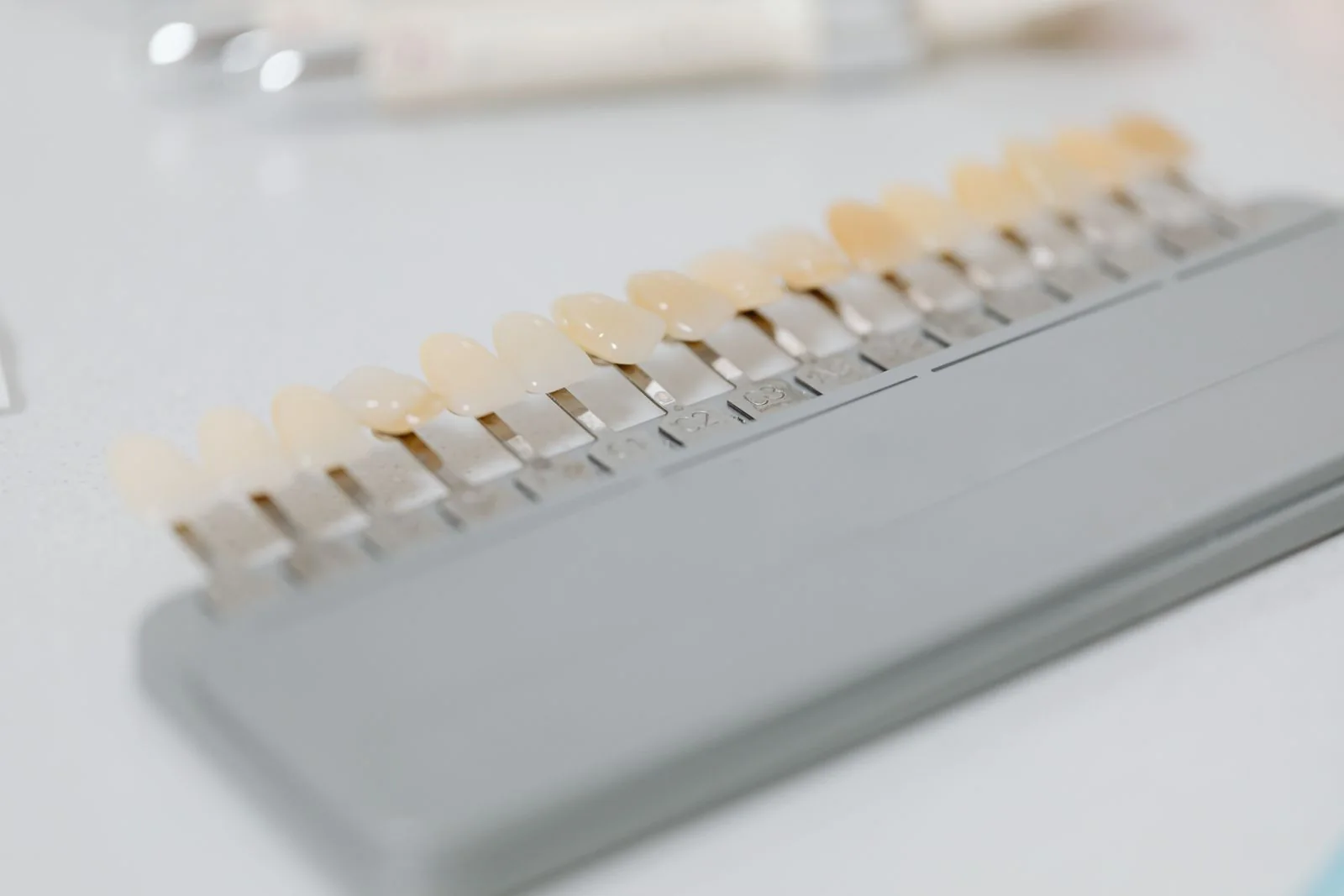
The shade, contour and surface finish matter as much as the material. A good consultation starts with the shape of your natural teeth and the way your bite brings them together. A photograph can help explain a goal, but it cannot establish the health of the enamel, gums or bite.
What happens at an appointment?
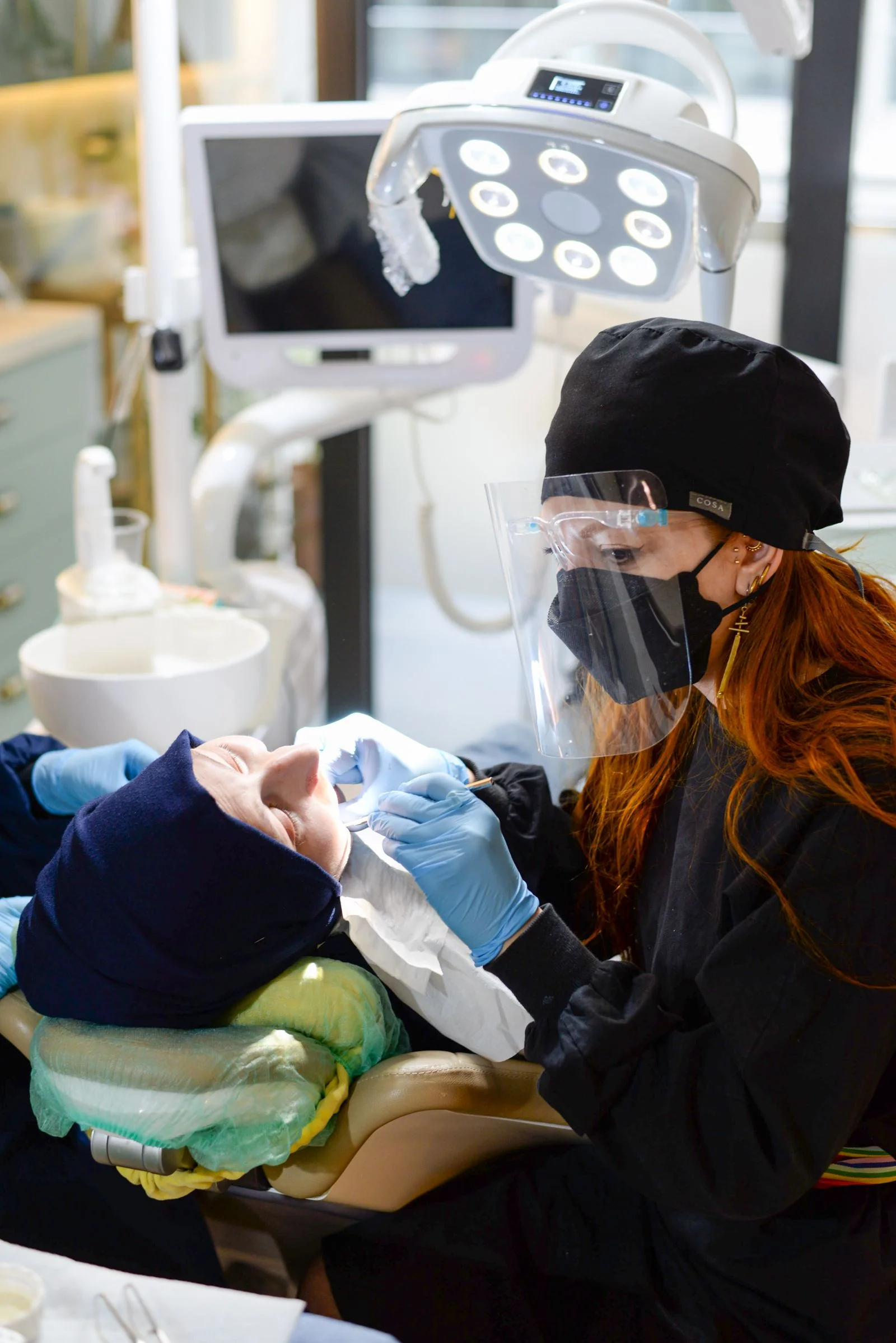
Your dentist first examines the teeth and discusses the changes you want. The tooth is cleaned, a suitable shade is selected, and the surface may be prepared to help the material bond. The composite is placed in layers, shaped, hardened and polished. The bite is checked so an edge does not meet an opposing tooth awkwardly.
Simple surface bonding often needs no anaesthetic and many cases can be completed in one treatment visit. That is not a promise for every case: existing decay, gum concerns, whitening plans or several teeth needing changes can alter the sequence and the number of appointments.
What can it do, and where are the limits?
Bonding can be useful for relatively small changes to shape, spacing and visible chips. It may also mask some discolouration. It does not straighten teeth, treat active disease or solve every bite problem. A worn or heavily damaged tooth may need a different restorative plan.
It is often described as conservative because little or no enamel removal may be needed. The exact preparation is individual. Ask which surfaces will be changed, whether any enamel needs to be removed, what alternatives exist and what future polishing or repair could involve.
Before you decide
Bring photographs of your current smile and examples of the kind of change you like. Discuss colour, shape and maintenance, then ask for a written plan showing which teeth are included. If you are travelling for treatment, confirm the clinical appointment schedule before arranging flights.
Composite may stain, wear or chip and can require maintenance. The treatment plan should explain those limits as clearly as the expected appearance. The final decision follows an in-person dental assessment, not an online image review.
 Am I a good candidate for composite bonding?
 Composite bonding vs veneers: how do they differ?