
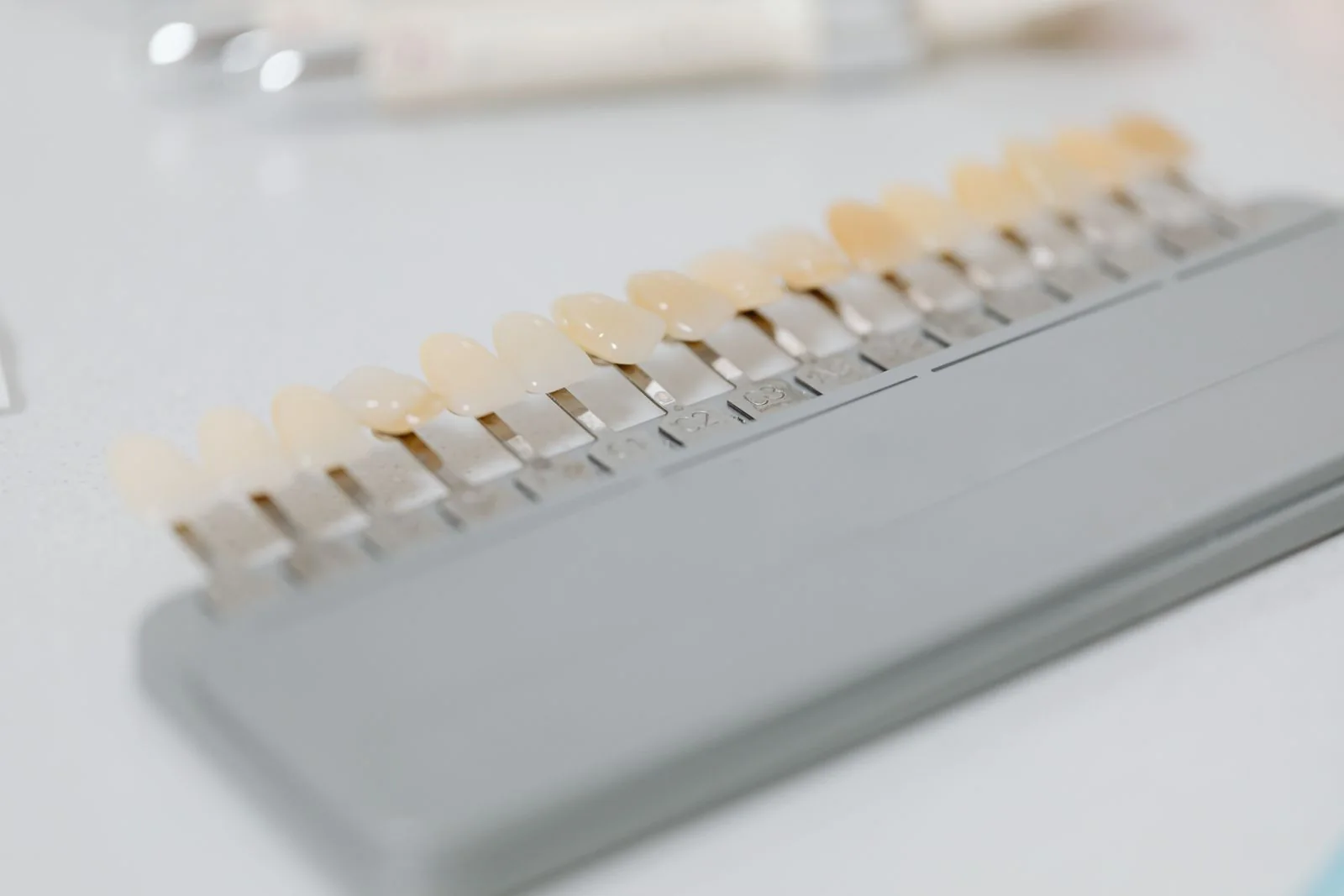
They change a smile in different ways
Direct composite bonding is shaped on the tooth by a dentist during the appointment. A porcelain veneer is a thin custom-made shell attached to the front of the tooth. A composite veneer also covers the front surface but is made from tooth-coloured resin. These options differ in the amount of material, preparation and future maintenance involved.
The words can be confusing because a dentist may use composite for a small edge repair or to cover more of the visible surface. Ask exactly which surfaces are proposed for your teeth rather than choosing on a treatment name alone.
What happens to the natural tooth?
Bonding often needs little or no enamel removal, although this depends on the case. Veneer preparation generally involves removing enamel; the American Dental Association explains that this makes veneer treatment irreversible. The amount of preparation should be shown and explained for your own teeth.
A conservative choice is about the whole plan, not simply the smallest preparation on one day. An unstable bite, active decay or a very large requested change may affect which option is sensible.
Appearance, staining and repairs
Porcelain resists staining better than composite. Composite can be polished and may be easier to repair if damaged, but it may need more maintenance as it wears or changes colour. Both kinds of work can chip or fail; neither is maintenance-free.
An ADA overview notes that porcelain veneers tend to be the more durable option while composite veneers may need fewer visits and less enamel preparation. Those broad descriptions do not predict how long a particular person’s result will last. Clinical studies vary in materials, technique and follow-up.
How to compare an individual plan
Ask to compare what would be done to each tooth, how the bite would be managed, the intended shade, the expected follow-up and the cost of future repairs or replacement. If the main concern is alignment or a large colour change, discuss orthodontics or whitening as alternatives or earlier steps.
The most suitable option is established by examination and a conversation about your priorities. A treatment that suits a photograph of someone else may not suit your enamel, bite or maintenance preferences.
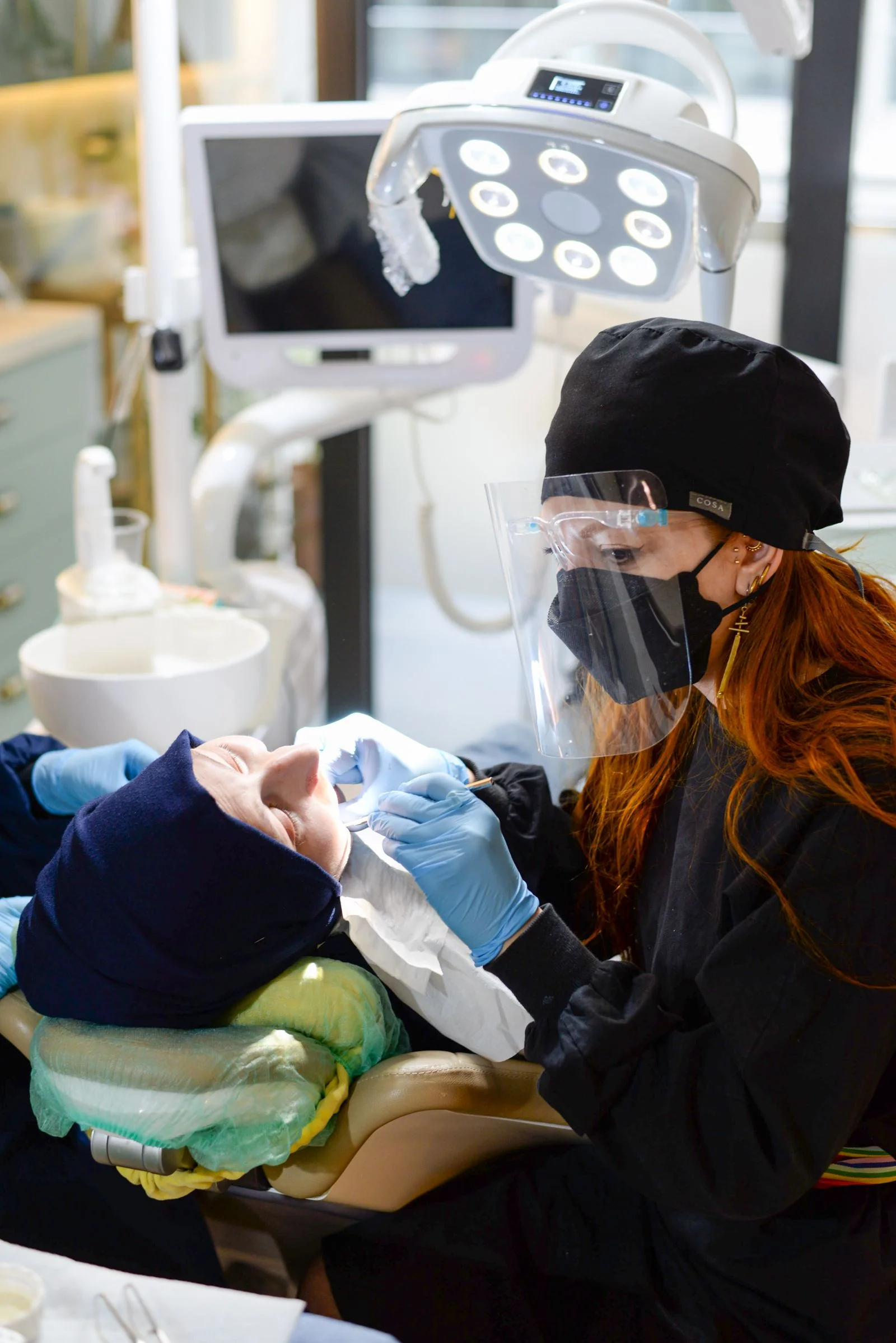 What is composite bonding? A clear guide to the treatment
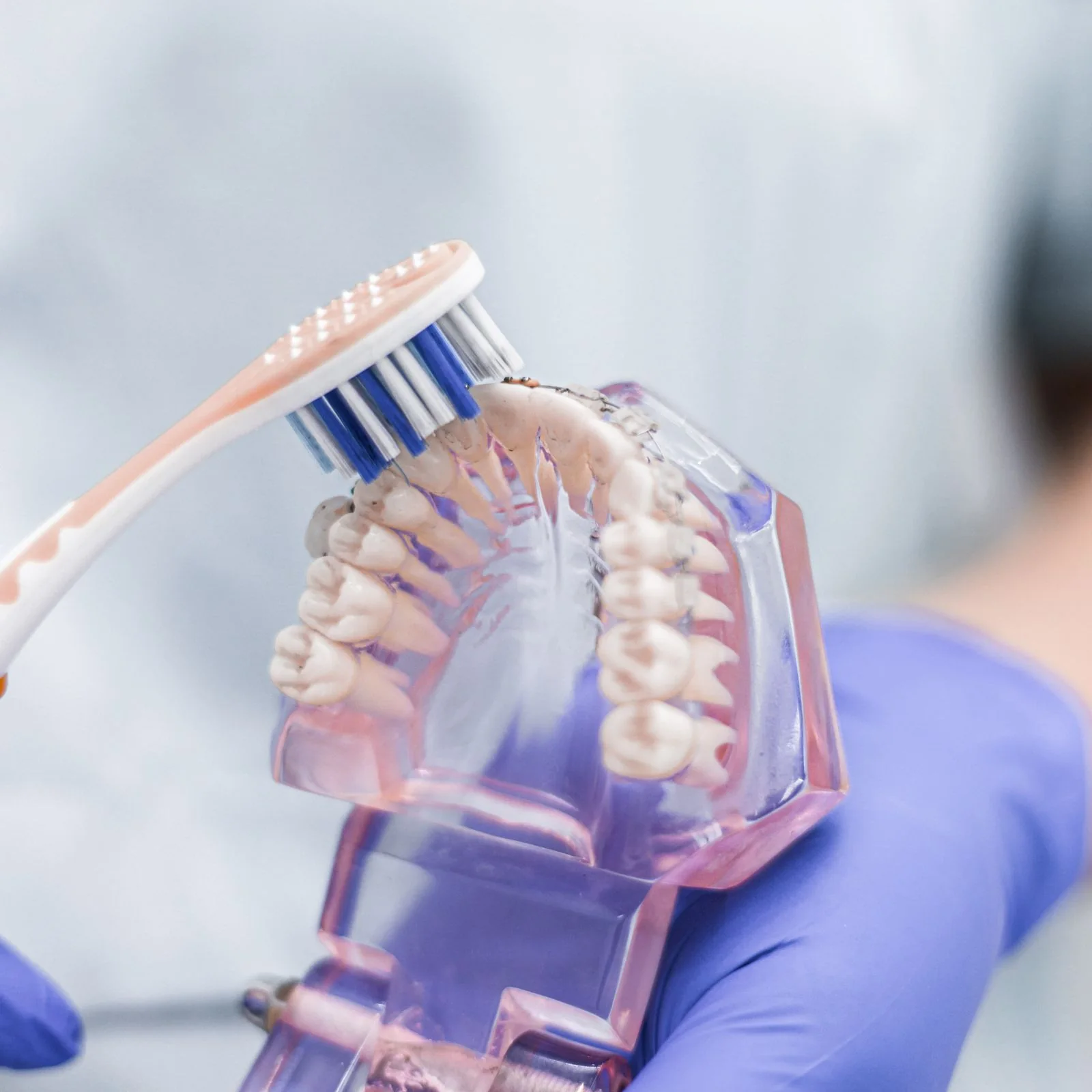 How to care for composite bonding over time