
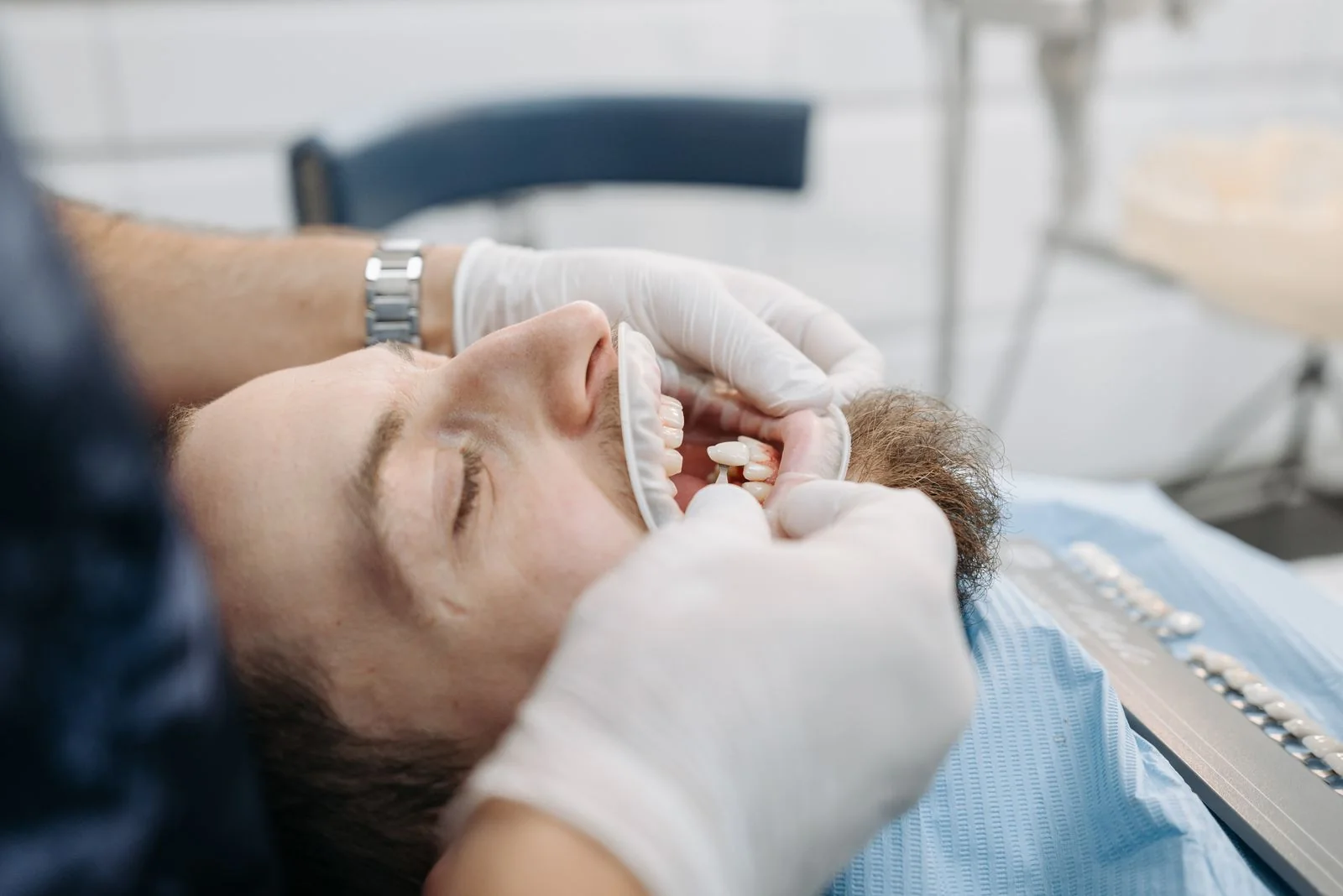
Why there is no universal expiry date
Composite bonding is a restoration placed in a living, changing mouth. The size and location of the addition, the tooth beneath it, how the teeth meet and the reason it was placed all influence its future. A tiny repair to an edge is different from rebuilding several worn front teeth.
Published studies commonly report survival across groups of restorations, not an expiry date for a person. A systematic review of anterior composites found that fractures and changes in appearance were important reasons for failure, especially when restorations were placed for aesthetic reasons. The results should not be turned into a guaranteed number of years for an individual patient.
What might change over time?
The surface can lose some polish, pick up stains or develop a rough edge. A small piece can chip after a knock or repeated heavy contact. The natural tooth and gum line can also change around the restoration, affecting how a colour match looks later.
Not every change means the entire restoration has failed. A dentist may be able to polish a surface, smooth a margin or discuss a repair. Sometimes a replacement or a different treatment is more appropriate, particularly when there is decay, a fracture in the tooth or a bite problem.
The role of bite and tooth wear
Front teeth help guide the jaw during movement. Grinding, clenching and a contact that concentrates force on a new edge may increase the chance of damage. If you have a history of chipped restorations, ask why they chipped before repeating the same shape.
A 2024 systematic review examined direct composite restorations used for anterior tooth wear, with follow-up spanning different periods and techniques. It supports composite as an option in selected cases while also showing why review visits, repairs and individual risk assessment belong in the plan.
Maintenance that you can actually plan
Clean around the restored teeth every day, keep routine dental visits and mention a rough edge or change in your bite promptly. Avoid using the bonded edge to tear packaging or bite hard objects. If you clench or grind, discuss that with your dentist instead of assuming ordinary cosmetic advice covers your situation.
A check-up can distinguish a superficial stain from an open margin, a chip from a tooth fracture and a cosmetic concern from an active dental problem. That distinction matters before deciding to polish, repair or replace.
Questions worth asking before treatment
Ask where material will be added, whether it will meet the opposing teeth, what maintenance is expected and how future repairs are handled if you live abroad. Discuss photographs of your current teeth as a baseline, not as a promise of how long the result will stay identical.
A good plan describes likely follow-up and uncertainty alongside the desired appearance. Only an examination can estimate the risks for your particular teeth and bite.
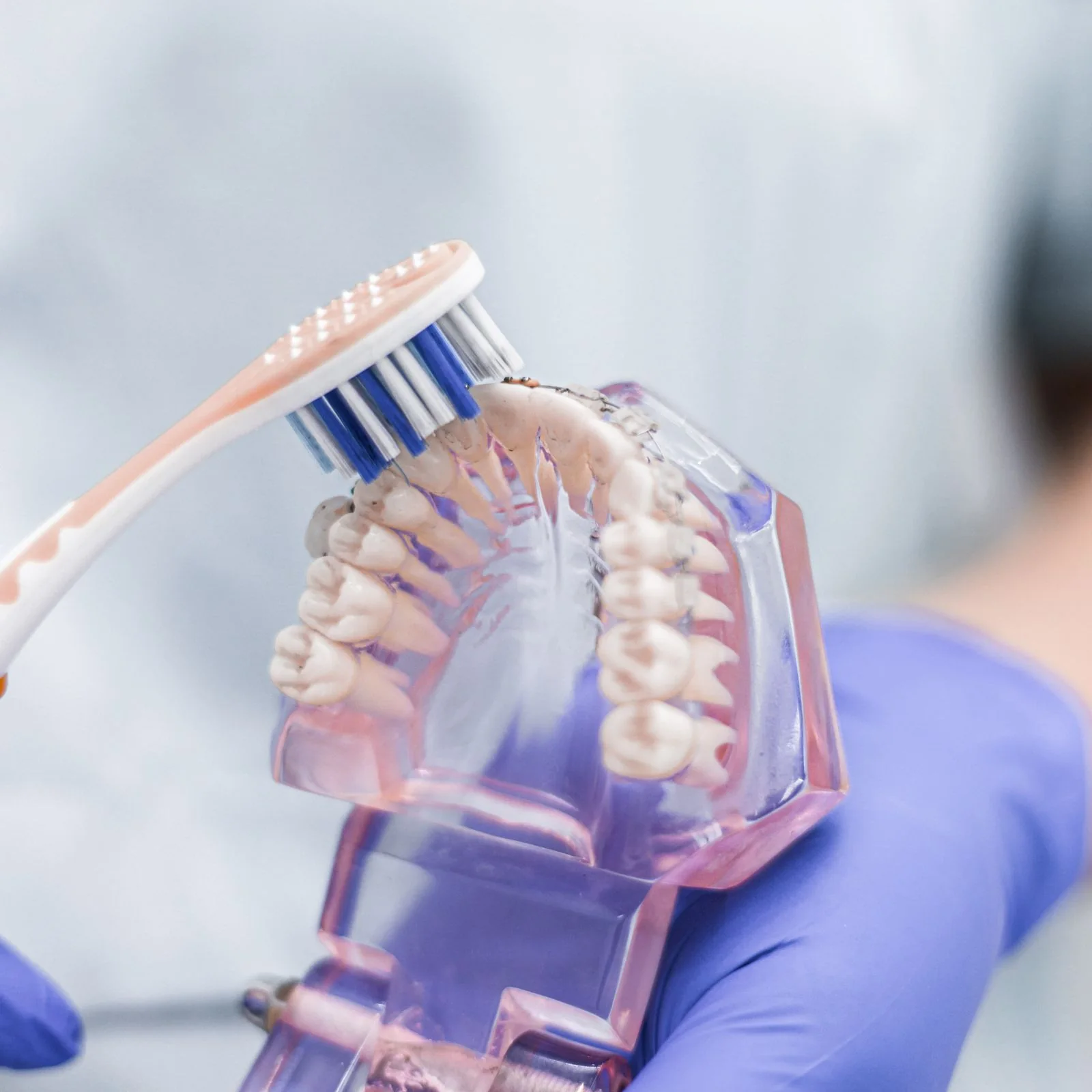 How to care for composite bonding over time
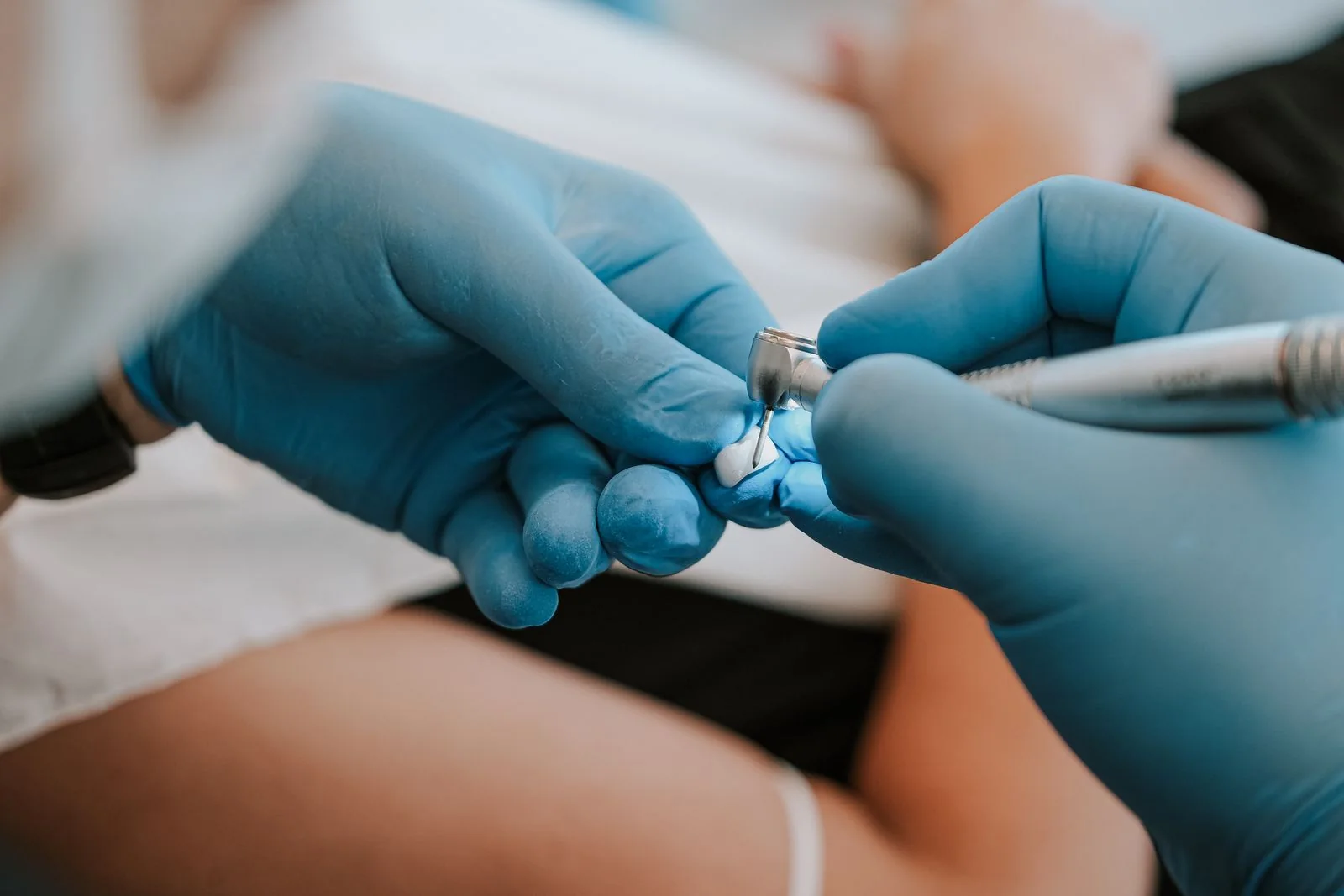 Can chipped composite bonding be repaired?