
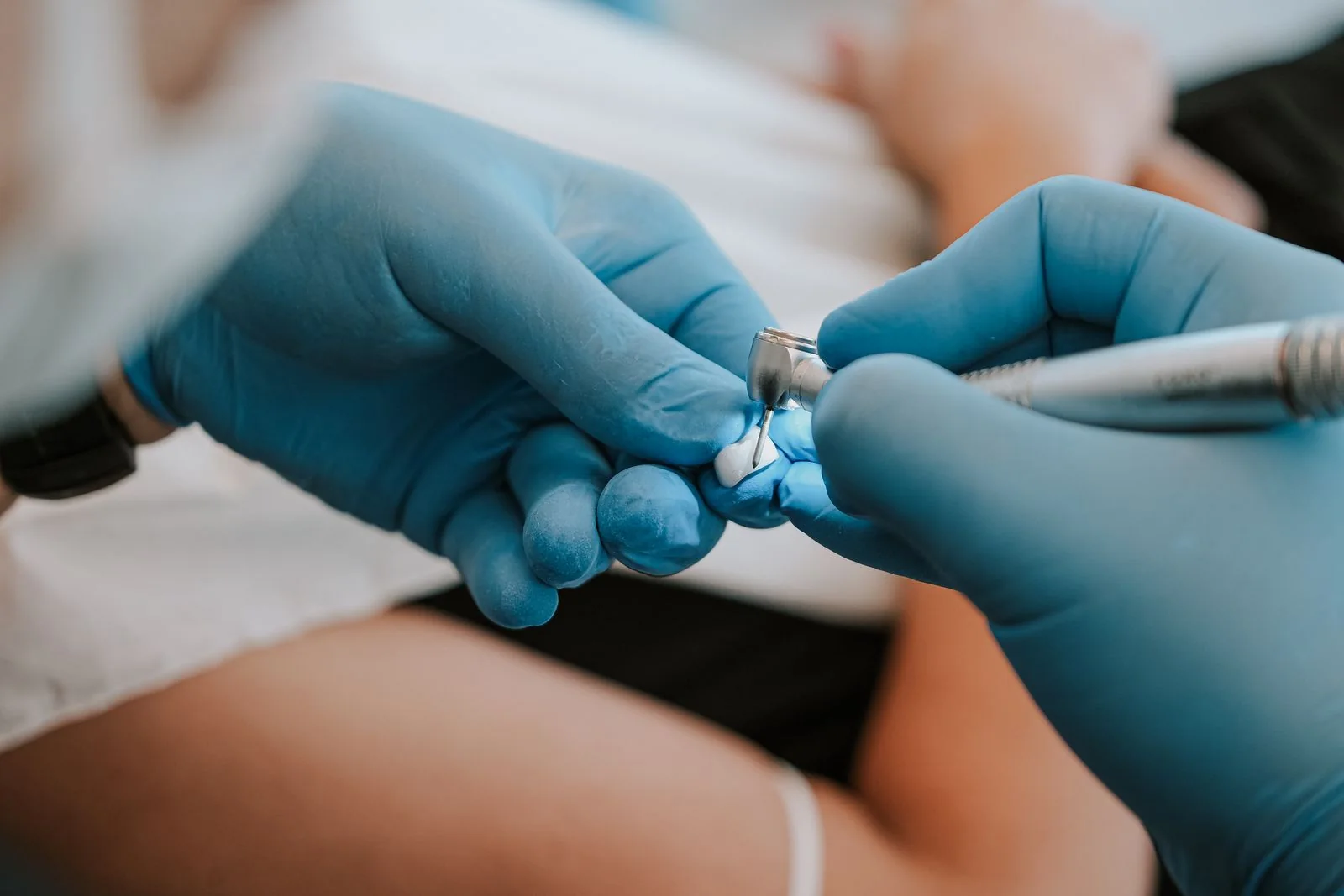
A chip is a clue, not a diagnosis
A rough spot may be a small loss of composite, a change in the surface polish or a fracture involving the natural tooth. The repair decision begins with identifying which one it is. Photographs help show when something changed, but the dentist needs to inspect the tooth, margins and bite.
Pain, sensitivity, a sharp edge cutting the tongue or a change after an injury deserves prompt professional advice. Avoid filing a rough edge yourself or assuming that glue or an over-the-counter material can recreate a dental bond.
When might a small repair be possible?
If the tooth is sound, the remaining restoration is stable and the cause of a local defect can be addressed, a clinician may be able to prepare the existing surface and add fresh composite. A small stain or uneven edge might need polishing rather than more material.
Repair is part of conservative dentistry, but the technique is not identical for every material and age of restoration. The dentist checks colour matching, the condition of the interface and whether adding material would create an overbulky or fragile edge.
What does the research actually say?
A systematic review comparing repair with replacement of defective direct restorations found that repair of selected, partially defective restorations may have a similar failure risk to replacement. That research includes several types and locations of restorations; it does not prove every chipped cosmetic edge should be repaired.
Separate long-term research on anterior composite shows fracture and changes in appearance as common reasons restorations need attention. Together these findings support an examination and a reasoned choice, rather than treating every chip as a total failure.
When is replacement or another plan needed?
A large fracture, active decay, an unstable old restoration or a bite that repeatedly breaks the same corner can make a simple patch unsuitable. If much of the tooth is missing, the dentist may discuss a different restoration or an approach to the bite first.
Replacement removes more material and requires new shaping and colour matching. A repair also has limits. Ask what each option changes about the natural tooth, the expected appearance and future maintenance.
If you are travelling or back home
Keep your written treatment plan, initial photographs and the name of the material if supplied. If a problem occurs after you travel, contact the treating clinic and arrange a local dental assessment when needed. A photo may help triage a concern, but it cannot confirm whether the tooth itself is intact.
Before treatment, ask how the clinic handles follow-up and what information another dentist would need. A practical repair pathway is more valuable than a blanket promise that bonding will never chip.
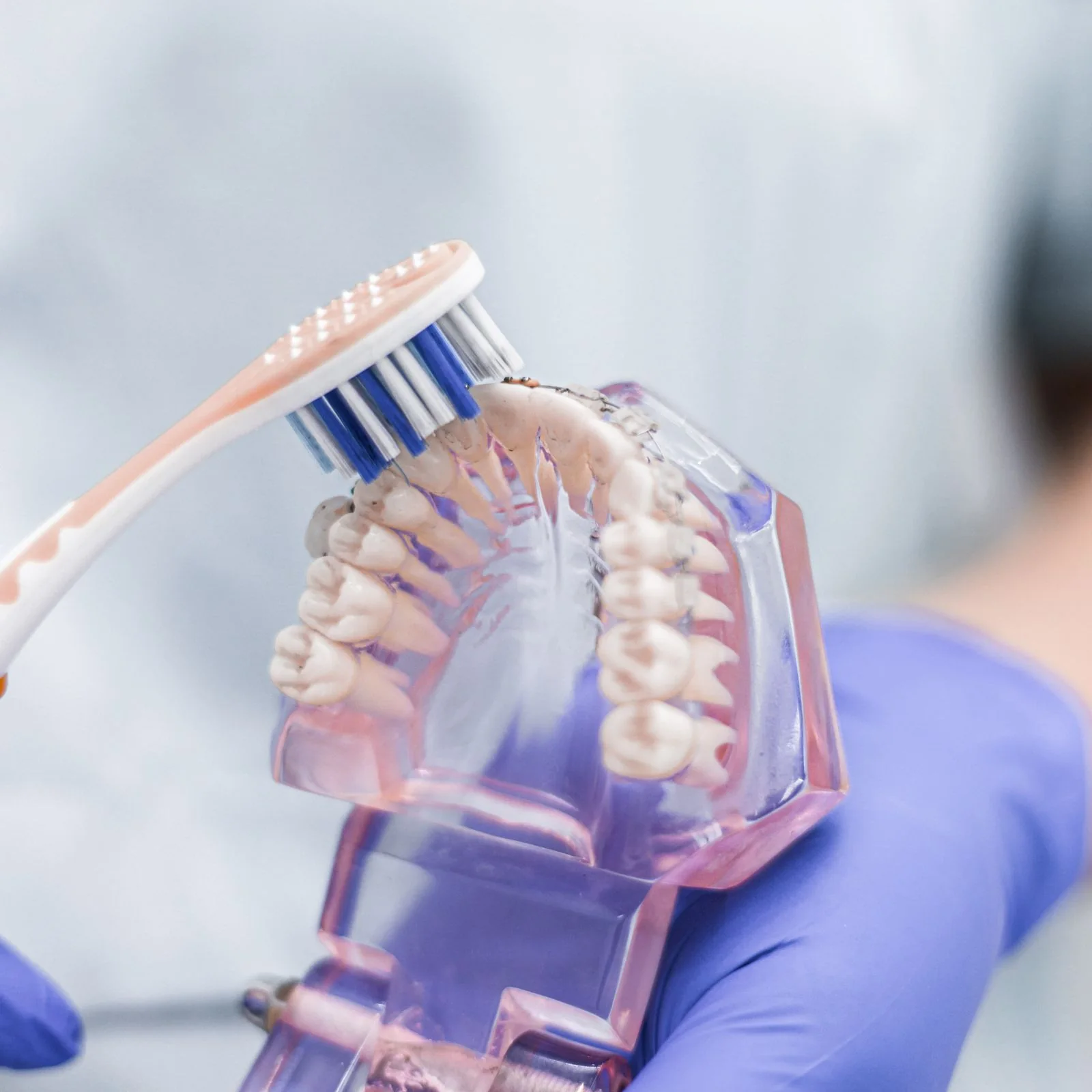 How to care for composite bonding over time
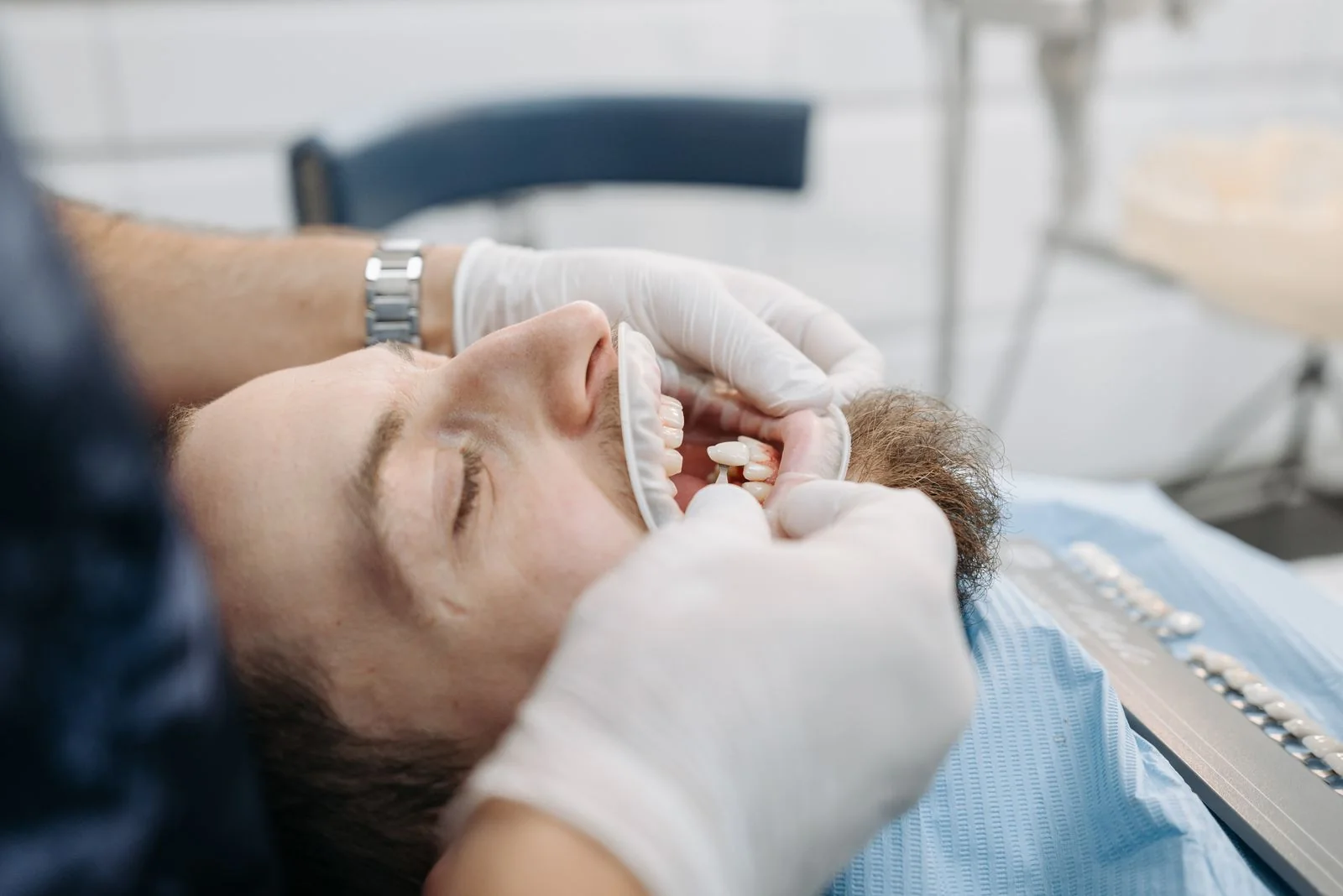 How long does composite bonding last? Evidence, wear and maintenance