
Keep the routine simple and consistent
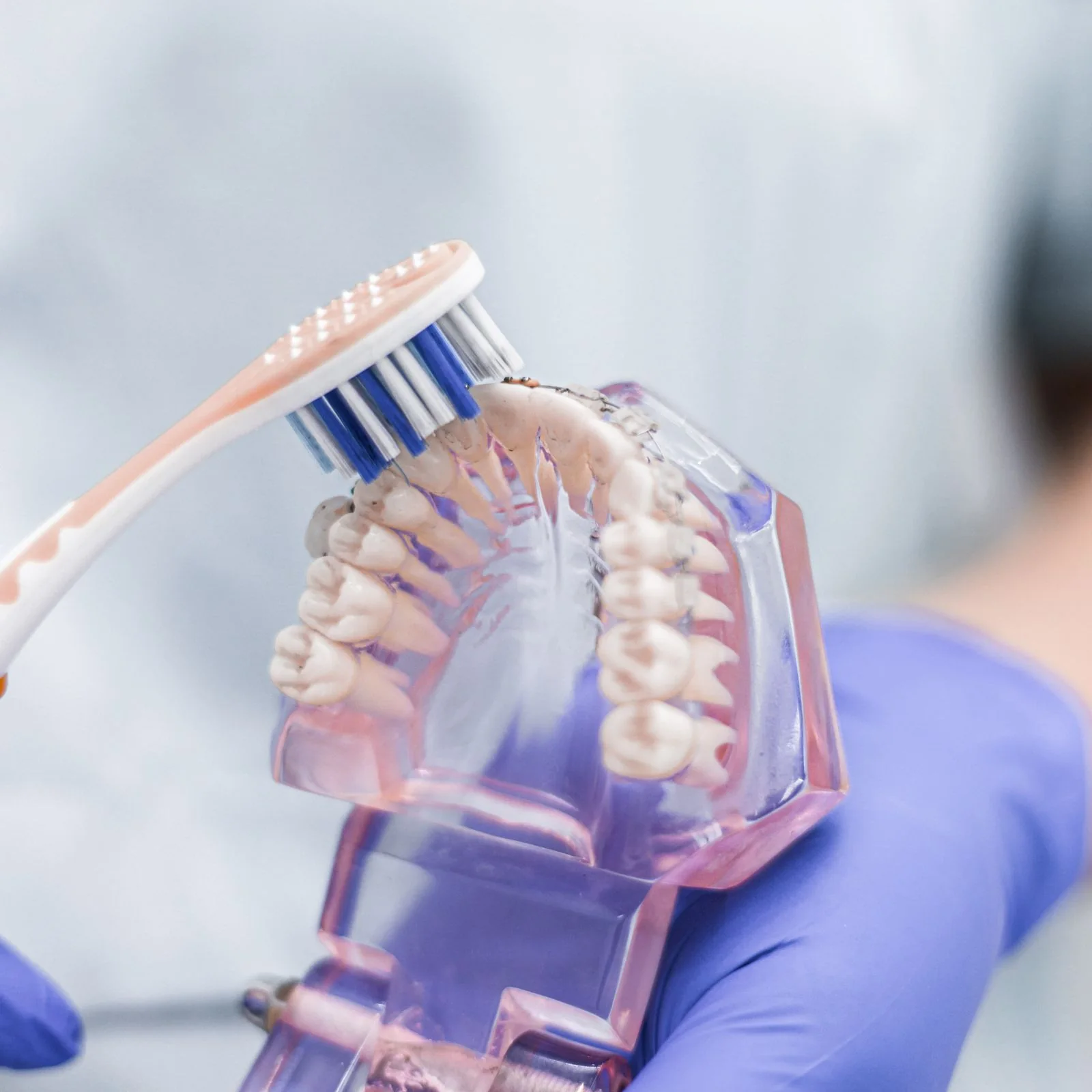
Bonded teeth still need the same daily oral care as natural teeth. Brush twice a day with fluoride toothpaste, clean between the teeth daily and attend regular dental reviews. Your dentist can advise on brushing technique around any delicate edge or gumline.
Good care protects the tooth under and around the restoration. Composite does not prevent new decay or gum disease. If floss catches on a rough edge, ask a dentist to check it rather than repeatedly pulling hard against the margin.
Expect some maintenance
Composite can collect surface stains and gradually lose some of its original polish. Tea, coffee and tobacco may affect appearance, and the effect differs between people. Your dentist can assess whether professional polishing would help; whitening products will not change the colour of composite itself.
A restoration may last for years, but there is no guaranteed expiry date or guaranteed lifetime. The amount of material, position of the tooth, bite forces and habits all influence when a polish, repair or replacement becomes useful.
Protect the edges
Avoid using bonded front teeth to open packaging or bite directly into very hard objects. Tell your dentist if you clench or grind, notice a new contact when closing your mouth, or feel an edge catching. They can check whether the shape or bite needs adjustment.
If a small piece chips, keep any fragment if possible and contact your dentist. Some damage can be repaired without replacing all the composite. Pain, swelling, a large fracture or an injury needs prompt local clinical assessment.
A useful follow-up conversation
Before leaving the clinic, ask what normal wear looks like, when to arrange a review and who to contact if a problem occurs while you are away. Keep written details of treated teeth, materials and aftercare where your local dentist can access them if needed.
Maintenance is part of the treatment decision, not a sign that something went wrong. A natural-looking result should remain practical for your daily life and easy to review when your needs change.
 How long does composite bonding last? Evidence, wear and maintenance
 Can chipped composite bonding be repaired?